

Green Belt Movement Raises Concern Over Reported Plans to Excise Parts of Uhuru Park and Central Park
2 June 2026
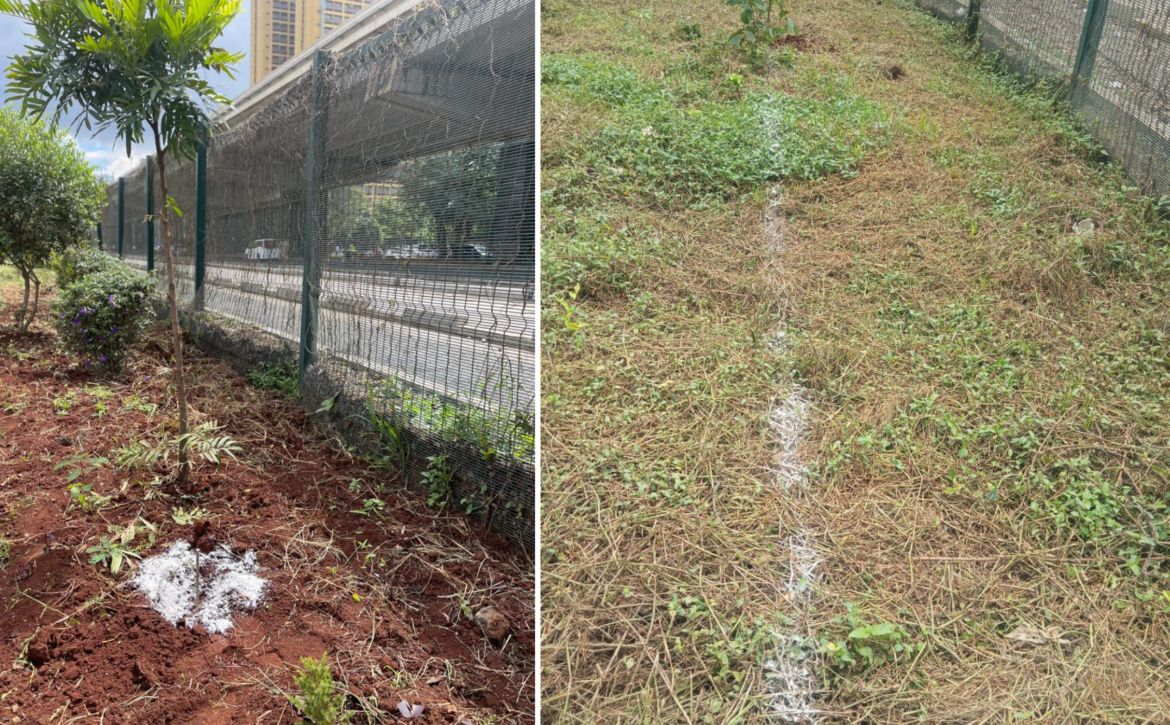
The Green Belt Movement (GBM) has raised alarm over reports that portions of Uhuru Park and Central Park may be excised to facilitate the expansion of Uhuru Highway in Nairobi. The organization has also established that survey beacons have been placed within sections of the parks, raising concerns that preliminary steps towards the proposed project may already be underway.
The reported plans come at a time when Kenya’s public green spaces continue to face increasing pressure from infrastructure development, commercial interests, and changing land use. The loss of urban green spaces threatens biodiversity, climate resilience, public health, and the constitutional right of every Kenyan to a clean and healthy environment.
GBM emphasizes that Uhuru Park and Central Park are protected public lands held in trust for present and future generations. Any proposal to excise, reduce, alienate, or change the use of these parks must strictly comply with all constitutional, legal, and environmental requirements, including public participation, environmental impact assessments, approvals by relevant authorities, and gazettement processes where applicable.
The organization has called upon the Kenya National Highways Authority (KeNHA), Nairobi City County Government, the National Land Commission (NLC), the National Environment Management Authority (NEMA), the Ministry of Roads and Transport, and the Ministry of Lands, Public Works, Housing and Urban Development to publicly disclose whether any approvals, assessments, consultations, surveys, or administrative processes relating to the proposed acquisition of land from Uhuru Park and Central Park have been initiated or completed.
GBM further reiterates that public participation is a constitutional requirement and that Kenyans have a right to be informed and consulted before decisions affecting public land and public resources are made.
The organization has also expressed concern over the continued restriction of public access to Central Park despite court orders directing that the park be reopened to the public, underscoring the need for greater accountability in the management of Nairobi’s public green spaces.
Recalling the historic efforts led by Professor Wangari Maathai to protect Nairobi’s public parks, GBM notes that Uhuru Park remains a powerful symbol of environmental justice, democratic participation, and citizen action. The organization maintains that Kenya cannot afford to lose more public parks and that government agencies should instead prioritize their protection, restoration, and expansion.
GBM has urged all Kenyans, civil society organizations, professional bodies, environmental defenders, and concerned citizens to remain vigilant and demand transparency, accountability, and adherence to the law. The organization will continue to closely monitor developments and pursue all appropriate legal, advocacy, and civic action necessary to safeguard these critical public spaces.
READ THE FULL STATEMENT HERE
Media Contact: communication@greenbeltmovement.org