

Why Urban Green Spaces Matter: Lessons from the Green Belt Movement
Across Kenya’s fast-growing urban centres, the need for healthier, more sustainable cities has never been more urgent. As population densities rise and development accelerates, communities are grappling with challenges such as air pollution, heat stress, water scarcity, and limited public recreational areas. One of the most effective solutions lies in the integration of urban green spaces—parks, tree-lined streets, community forests, wetlands, and protected natural environments.
For decades, the Green Belt Movement (GBM) has demonstrated how environmental stewardship strengthens community wellbeing and restores degraded ecosystems. The same lessons that have transformed rural landscapes also offer a pathway for shaping healthier, more resilient cities across Kenya.
1. Green Spaces Improve Air Quality and Reduce Urban Heat
Cities accumulate high concentrations of pollutants from vehicles, industries, and dust. Urban trees serve as natural filters, absorbing harmful particles and releasing oxygen. GBM’s reforestation initiatives show the power of trees to restore air quality in degraded areas.
Trees also reduce the urban heat island effect, lowering temperatures in areas dominated by buildings and roads. Shaded streets, pocket parks, and planted buffers contribute to cooler and more comfortable environments in cities like Nairobi, Nakuru, and Kisumu.
2. Green Areas Support Mental Health and Community Wellbeing
Urban residents often face stress from congestion, noise, and limited recreation options. Global research shows that communities with access to green spaces enjoy better mental health, reduced stress, and stronger social cohesion.
The Green Belt Movement’s community-driven environmental projects illustrate how local participation in greening initiatives fosters pride, ownership, and healthier communal relationships.
3. Trees Enhance Water Management and Reduce Flood Risks
Urban flooding has become a recurring challenge, especially during the rainy seasons. Impermeable surfaces prevent rainwater from infiltrating into the ground, resulting in runoff and flash floods.
GBM’s watershed restoration work demonstrates that vegetation improves natural drainage, enhances groundwater recharge, and protects urban waterways. Incorporating trees, wetlands, and green infrastructure into city planning can significantly reduce flood risks and infrastructure damage.
4. Green Spaces Increase Property Value and Improve Urban Livability
Neighbourhoods with mature trees, parks, and natural features consistently attract higher demand from residents and investors. Clean, green, and serene areas tend to offer better quality of life and stronger long-term appreciation of property value.
Many homebuyers look for environmentally conscious neighbourhoods or estates with thoughtful landscaping. Platforms offering insights into houses for sale in Nairobi show how natural surroundings often enhance residential appeal and market competitiveness.
5. Urban Greening Supports Biodiversity and Restores Ecological Balance
Rapid urbanisation often disrupts wildlife habitats. Yet cities can support biodiversity when planners prioritize green corridors, wetlands, indigenous tree species, and ecological buffers.
GBM’s focus on native species offers a model for urban ecological restoration. Indigenous trees are more resilient, support local wildlife, and integrate seamlessly into the natural environment.
6. Community Participation Is Essential for Sustainable Urban Greening
One of GBM’s most influential lessons is the importance of community participation. Urban greening thrives when residents, schools, conservation groups, and local authorities collaborate.
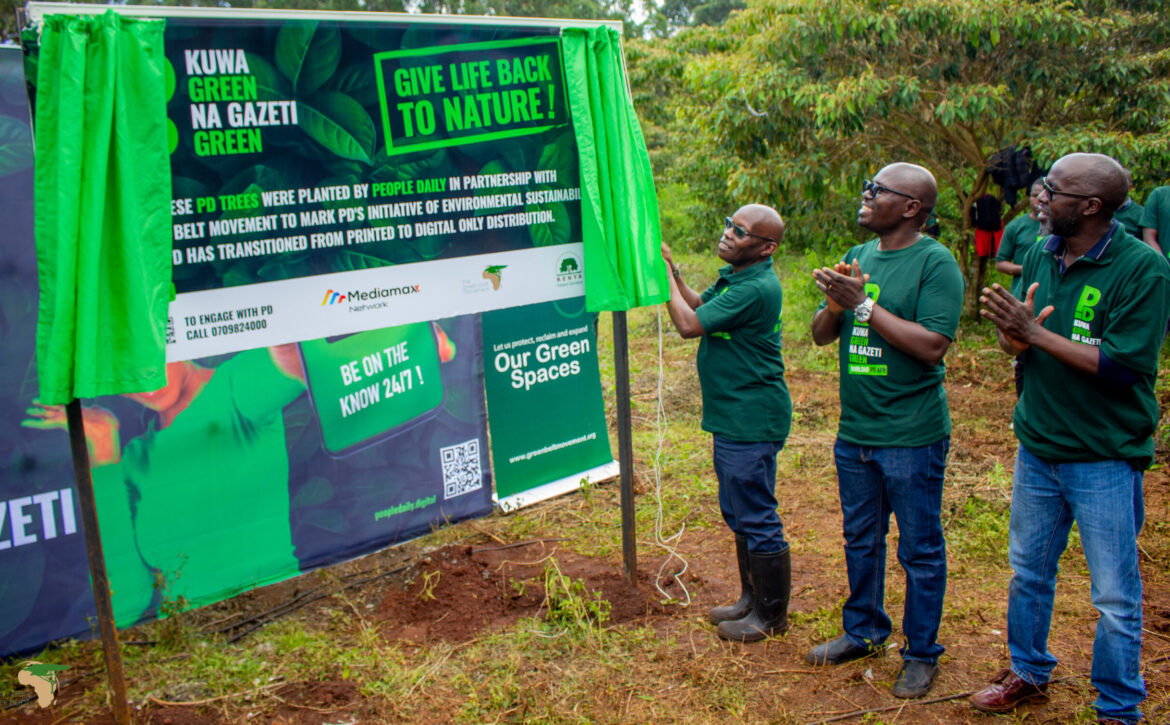
Community nurseries, clean-up days, and tree-planting initiatives help maintain green spaces and strengthen environmental responsibility. When urban residents take part in creating and caring for these spaces, the benefits last longer.
Conclusion
Urban green spaces are not decorative luxuries; they are essential infrastructure that supports public health, reduces climate risks, and increases the livability and value of urban environments. The Green Belt Movement’s legacy provides a powerful blueprint for integrating nature into Kenya’s cities.
By prioritizing trees, restoring natural ecosystems, encouraging local participation, and aligning development with ecological principles, Kenya can build cities that support both people and the planet. As demand grows for environmentally conscious neighbourhoods—reflected in interest across property platforms featuring property development in Nairobi—the pathway to greener, healthier cities becomes clearer.